Breedline
News Update
Loading...

Featured

[Featured][recentbylabel]

Featured

[Featured][recentbylabel]

الخميس، 6 مارس 2025

Australian Experimenters Strangle Female Rats in Gruesome Domestic Violence Test

Australian Experimenters Strangle Female Rats in Gruesome Domestic Violence Test

Australian Experimenters Strangle Female Rats in Gruesome Domestic Violence Test

Australian Experimenters Strangle Female Rats in Gruesome Domestic Violence Test

PETA US and PETA Australia are calling for swift and immediate consequences after experimenters at an Australian university tied weights around female rats’ necks and strangled them in a gruesome and pointless attempt at studying domestic violence in humans.

The cruel test was first exposed by Animal-Free Science Advocacy and took place at Melbourne’s Monash University.

PETA entity scientists are pushing the journal that published the experiment to retract the paper. PETA US and PETA Australia are also urging the university that conducted the test and asking the government agency that bankrolled it to prohibit all strangulation and traumatic brain injury experiments on animals, and also to fully transition away from animal testing by adopting PETA US’s Research Modernization Now strategic roadmap. Additionally, we’re calling on officials to launch a cruelty-to-animals investigation, and pursue relevant disciplinary actions, regarding the experimenters’ apparent violation of the Australian standards for replacing the use of animals in tests with non-animal methods.
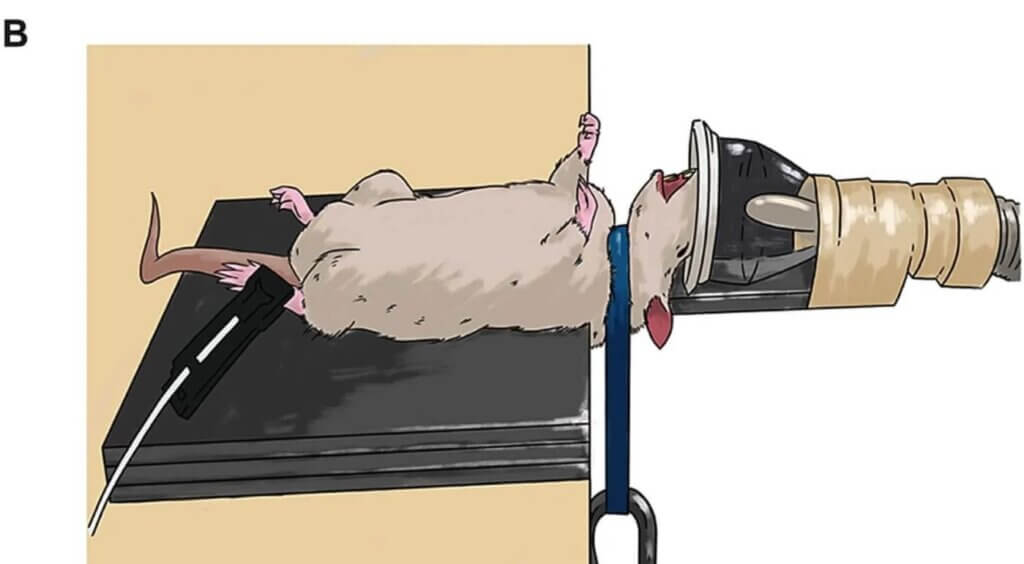
Strangled to Near-Death

Monash experimenters inflicted brain damage on female rats and then strangled them by attaching heavy weights to their tiny heads to simulate the traumatic injuries endured by human victims of domestic violence.

Despite the relentless pain and suffering caused by the test, experimenters did not provide painkillers to the rats before subjecting them to traumatic brain injuries. Some animals had to be resuscitated after losing consciousness during strangulation.

The pointless experiment cannot begin to accurately mimic the complexity of traumas that human victims experience after domestic violence. Advanced non-animal methods, such as imaging and computer models, could have been used to allow researchers to effectively study brain injuries without harming animals.

Rats and humans have vastly different brain structures, and while animals can experience stress, they don’t process and manifest trauma in comparable ways. By tormenting animals instead of pursuing human-relevant research methods, this experiment on rats succeeded only in diverting resources away from modern, animal-free research that could help domestic abuse victims. 

What You Can Do

Please take action to support the Research Modernization Now strategic roadmap by urging the government and national research councils to implement a policy that mandates an end to animal experimentation and provides a clear strategy and timeline for achieving this goal.
Help Animals in 2025: Renew Your PETA Membership!
The post Australian Experimenters Strangle Female Rats in Gruesome Domestic Violence Test appeared first on PETA Australia.

https://ift.tt/zDLjQ4y

الاثنين، 3 مارس 2025

Lent— An Ideal Time to Go Vegan

Lent— An Ideal Time to Go Vegan

Lent— An Ideal Time to Go Vegan

Lent— An Ideal Time to Go Vegan

For more than eleven million Australian Christians, Lent, which begins on Ash Wednesday and lasts approximately 40 days, is a practice in self-denial to honour the sacrifices made by Jesus. 

Traditionally, Lent is a time of introspection, which many observe by abstaining from foods such as eggs, meat, and fish. More recently, this has evolved to include avoidance of vices like social media and alcohol, but, with more than 700 million land animals being cruelly killed in Australia every single year and the climate crisis worsening, now is the perfect time to observe Lent by leaving animals—including fish—off your plate!

Moreover, Lent is an ideal time to start enjoying a lifestyle that protects animals from abuse and lowers your carbon footprint and risk of cancer and other disease!

Animals Are Here With Us, Not For Us

Whether you’re Christian or not, kindness to others is crucial to living joyfully on a peaceful planet. Even if you’re not observant, Lent is still a wonderful time to reflect on how we can be more compassionate and put others first.

If you do believe, you’ll know that God created all species and assigned humans stewardship of all animals. Animals aren’t on Earth to be used as meat machines or entertainment, poisoned in laboratories, or to be skinned, shorn, or plucked. They exist for their own reasons: to love and be loved, raise families, and experience the world share.

Just as we love sunshine on our faces and our companion dogs love to romp in the ocean, pigs love to play, turkeys love to cuddle, and cows enjoy music.

Lent may have begun as a time to deny ourselves, but it can become a time when we stop denying animals their freedom.

“Every act of cruelty towards any creature is ‘contrary to human dignity.”
~ His Holiness, Pope Francis, Laudato Si

Fish Are Someone, Too

Traditionally, fish have been eaten on Fridays during Lent, but even among church leaders, this is changing as more and more people realise just how clever, unique, and complex fish are.

Fish are fascinating individuals who enjoy complex social relationships. They have demonstrated an ability to pass the “mirror test,” which indicates self-awareness, and they can recognize shoal mates. Some fish use tools and others make intricate art to woo their beloved.

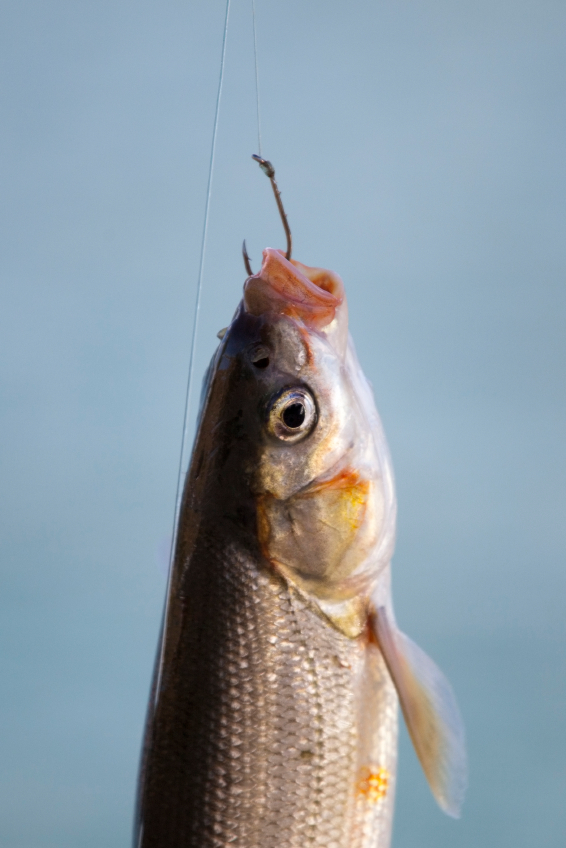
Fish may suffer in silence, but they do suffer. Sadly, fish are the most widely exploited animal on Earth, hooked in the face or suffocated in nets, scooped in their trillions from their ocean homes, agonizingly experiencing what experts call “the bends on steroids” before being bludgeoned, beheaded, and gutted.

Living Vegan is No Sacrifice

The most rudimentary understanding of Lent is that it’s about “giving up” something, but when we choose not to eat animals, we simply no longer take what was never ours to begin with!

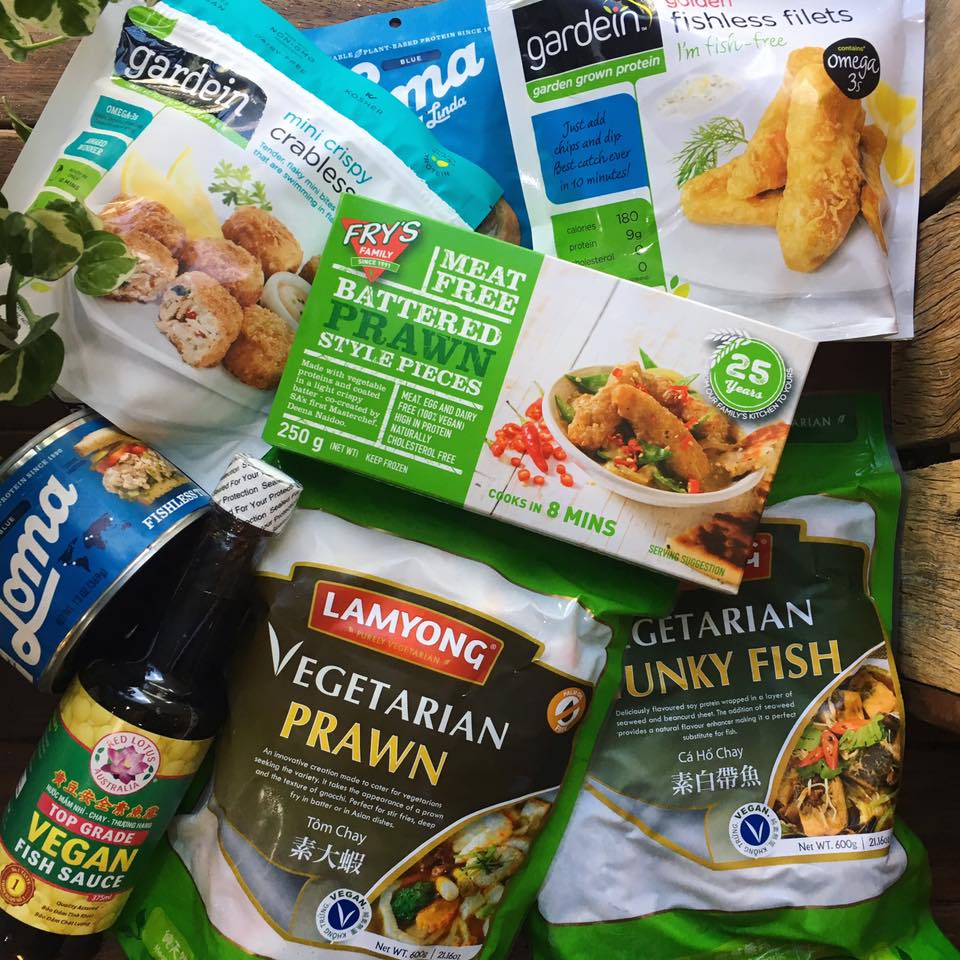
Thanks to the array of available animal-free products, “giving up” meat and other animal-derived items isn’t a hardship but a joy. You can still enjoy creamy chocolate, flaky ‘fish,’ spicy buffalo ‘wings’— even salty “caviar”— all while protecting animals and helping take the pressure off the planet!

“Choosing not to eat fish (and other animals) is the easiest way to achieve the kind of stewardship and guardianship of the whole of God’s creation to which each Christian is called.”

~ Father Terry Martin, vegan catholic priest and author  

Ready to Go Vegan for Lent and Beyond?

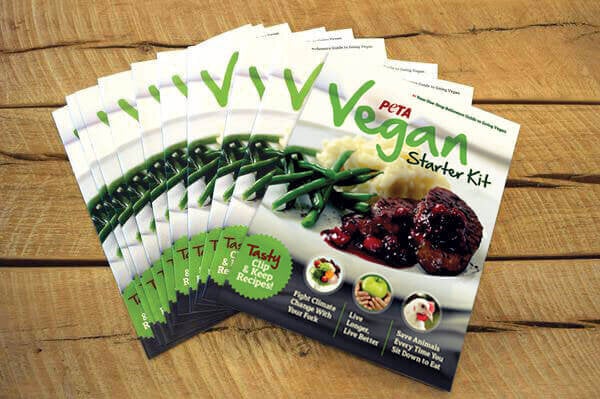
You’ll never look back once you realise how peaceful and easy it is to live your values of compassion and equity through veganism. Take our 30-day vegan pledge to access delicious recipes and helpful tips to stop eating body parts animals never “lent” us to begin with!

Help Animals in 2025: Renew Your PETA Membership!
The post Lent— An Ideal Time to Go Vegan appeared first on PETA Australia.

https://ift.tt/t1TMhAP

الخميس، 27 فبراير 2025

Yes, Fish Are Animals Too – SA Updates Animal Welfare Act

Yes, Fish Are Animals Too – SA Updates Animal Welfare Act

Yes, Fish Are Animals Too – SA Updates Animal Welfare Act

Yes, Fish Are Animals Too – SA Updates Animal Welfare Act

South Australia has introduced new reforms to the Animal Welfare Act. The revisions introduce tougher penalties for humans caught abusing some animals as well as minimum standards of care, allowing authorities to intervene when a companion animal is being neglected. 

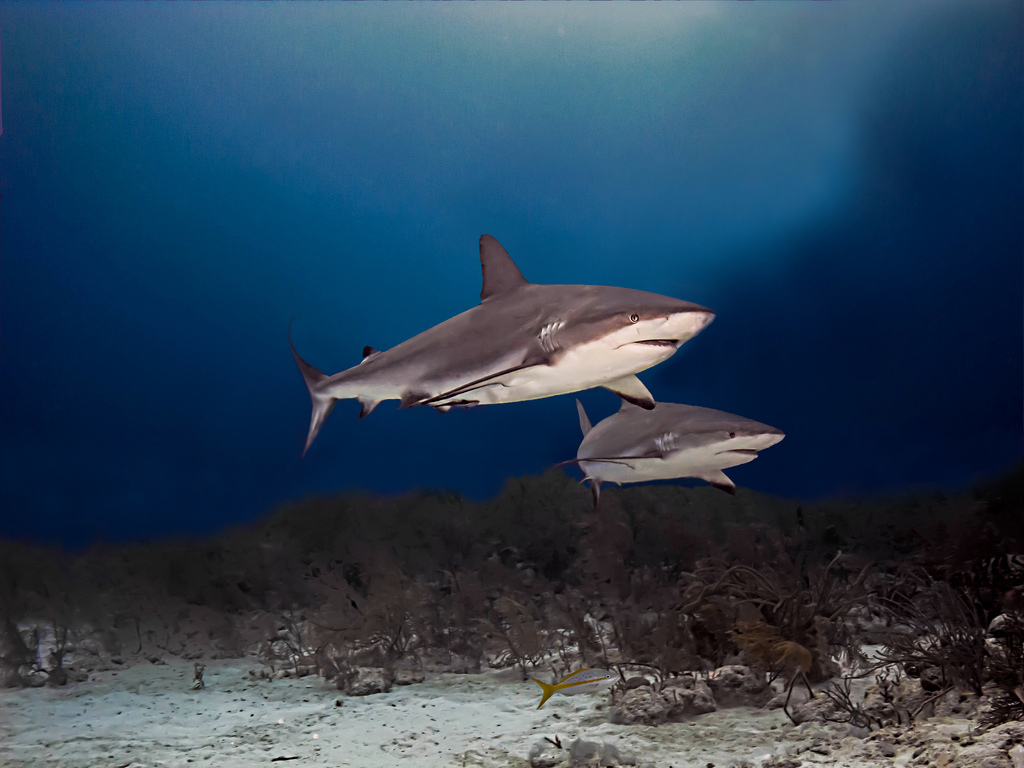
The new rules have also finally updated South Australia’s definition of an animal to include fish. As PETA pointed out in our submission to the bill’s consultation, fish are sentient animals with consciousness and cognition comparable to other animals.   

The government says that its inclusion of fish aims to address cruel practices such as harvesting shark fins and stingray tails. Recreational and typical commercial fishing activities are not affected by the new laws and remain under the control of the Fisheries Management Act.  

Piercing fishes’ delicate mouths with painful hooks or scooping them up in nets to haul them from their homes – and the only environment in which they can breathe – to club, behead, and gut is inherently cruel. Such acts would never be exempt were they happening to a dog or cat.  

While we’re glad to see progress in updating the bill, to rightly recognise fish as animals would have included them in all laws against cruelty to animals.

Help Animals in 2025: Renew Your PETA Membership!

This Australian Designer STILL Sells Fur! Take Action Now!
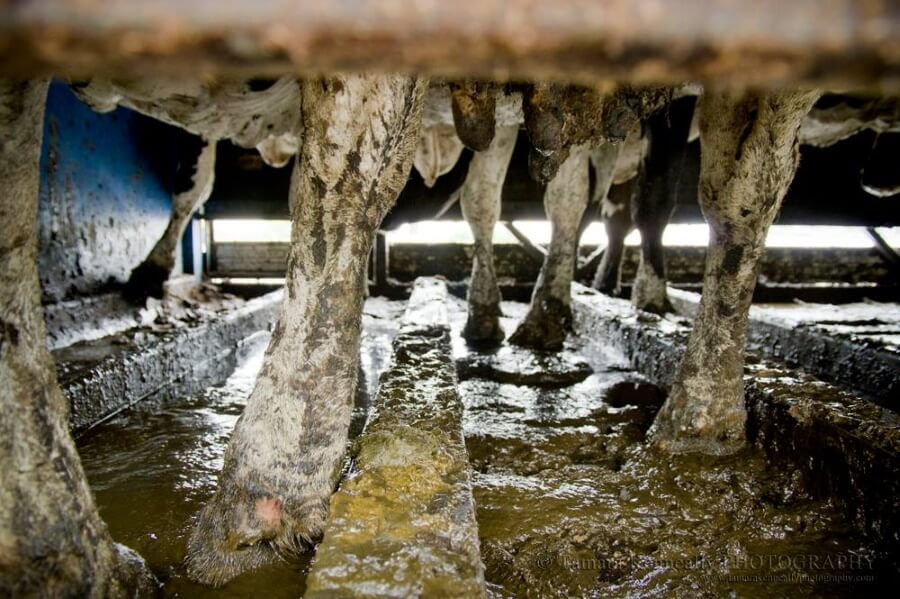
  • A photo of dairy cows being transported to slaughter in a filthy truck.
    Tamara Kenneally Photography
    Dirty Dairy: Investigator Finds Environmental Disaster on Australian Farm
  • PETA’s "100% Plant Wool" Logo
    PETA’s ‘100% Plant Wool’ Logo
  • The post Yes, Fish Are Animals Too – SA Updates Animal Welfare Act appeared first on PETA Australia.

    https://ift.tt/K9GlaIf

    الاثنين، 24 فبراير 2025

    How World Spay Day— February 25— Saves Lives

    How World Spay Day— February 25— Saves Lives
    How World Spay Day— February 25— Saves Lives

    How World Spay Day— February 25— Saves Lives

    Thanks to Valentine’s Day perched right in the middle, February is known as the month of romance. But when it comes to our companion animals, unbridled passion is a bad idea, which is why the last Tuesday in February is World Spay Day.

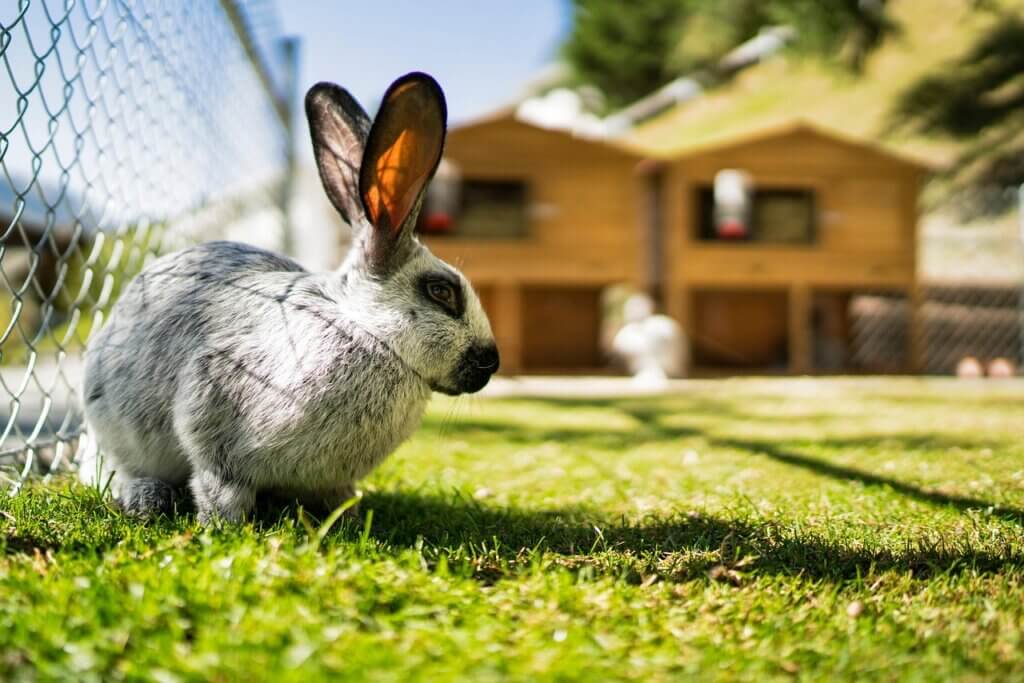
    World Spay Day reminds us how important it is to desex the cats, dogs, rabbits, and other animals we live with so that they can live longer, happier lives and so that we never contribute to the ever-growing animal overpopulation crisis.

    Spaying or neutering is part of responsible animal guardianship, and thanks to community initiatives lowering the cost, there’s no excuse for delaying this life-saving action.  

    Spay Because: Rescues are Full

    Australian shelters are overflowing with unwanted animals. Around 110,000 dogs and 80,000 cats find themselves homeless yearly, and specialist rescues, such as those focused on rabbits, are closing their doors, simply unable to care for more animals.

    Thanks to the cost-of-living crisis and lack of companion animal-friendly real estate in our country, baby animals more often than not find themselves at the mercy of council shelters, where they are often euthanised for lack of a good home, or taken in by people who go on to abuse them.

    Some street animals, and those sold online, even end up in dog fighting rings— there are an estimated 150 of these disgusting operations in Australia, and unwanted puppies fuel the fire.

    Spay Because: The Streets Are Unsafe

    When council shelters can’t keep up with the influx of animals, more of them end up on the streets, and the effect is exponential. Just one unaltered female dog and her offspring can produce 67,000 puppies in only six years. One female cat and her offspring can produce a jaw-dropping 370,000 kittens in seven years!

    Desexed animals are less likely to roam, meaning they’re less likely to be hit by cars, poisoned, attacked by other animals, or even targeted by cruel humans.

    Since roaming cats pose a huge threat to Australia’s wildlife, killing a staggering two billion animals every year, keeping feline friends inside isn’t just good for them; it’s better for everyone.

    Spay Because: It’s Best For Health

    Sterilized animals live longer, happier lives. Not only are their frustration levels lower and the stress and discomfort females endure during heat periods reduced, but fixing an animal also eliminates the risk of uterine and testicular cancer and greatly reduces the risk of mammary and prostate cancer.

    Desexed animals are less prone to fighting, and a lower desire to roam means a lower risk of contracting deadly, contagious diseases like feline AIDS and leukaemia in cats.

    Spay Because: It Reduces Frustration

    Animals ruled by their hormones are easily frustrated, harder to toilet train, less likely to territorially spray urine, and more likely to stray from home, putting their lives and the lives of other animals at risk.

    Desexed rabbits are calmer, less likely to fight and hump, and more likely to use a litter tray, while all companion animals can become more affectionate after desexing.

    No matter how cute your companion animal is (and we’re sure they are!), the world doesn’t need a carbon copy. This World Spay Day, do the right thing and book your furry family member in to be spayed or neutered. If you’re on a budget, the National Desexing Network (NDN) offers low-cost desexing to approved applicants.

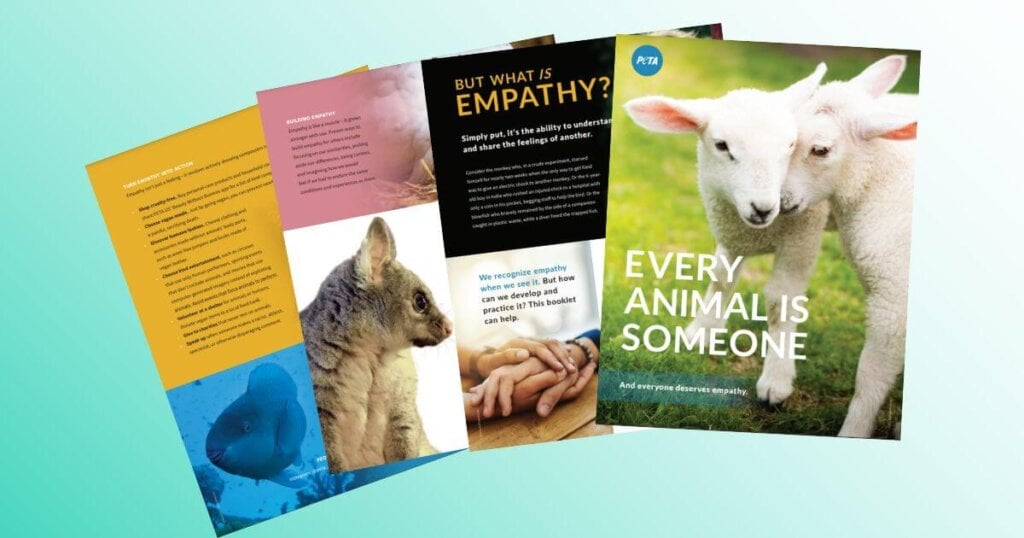
     In the meantime, learn how to enrich your cat’s life while keeping them safe inside and how to extend your compassion to all species with our ‘Every Animal is Someone’ empathy kit here:

    Help Animals in 2025: Renew Your PETA Membership!

    The post How World Spay Day— February 25— Saves Lives appeared first on PETA Australia.

    https://ift.tt/n9y64hY
    Airbnb Moves Away from Animal Rides at the Great Pyramids

    Airbnb Moves Away from Animal Rides at the Great Pyramids

    Airbnb Moves Away from Animal Rides at the Great Pyramids
    Airbnb Moves Away from Animal Rides at the Great Pyramids

    Airbnb Moves Away from Animal Rides at the Great Pyramids

    After hearing from PETA US, holiday rental giant Airbnb has agreed to stop promoting and selling tickets for exploitative animal rides at the Great Pyramids of Giza.

    Life for Animals at the Pyramids

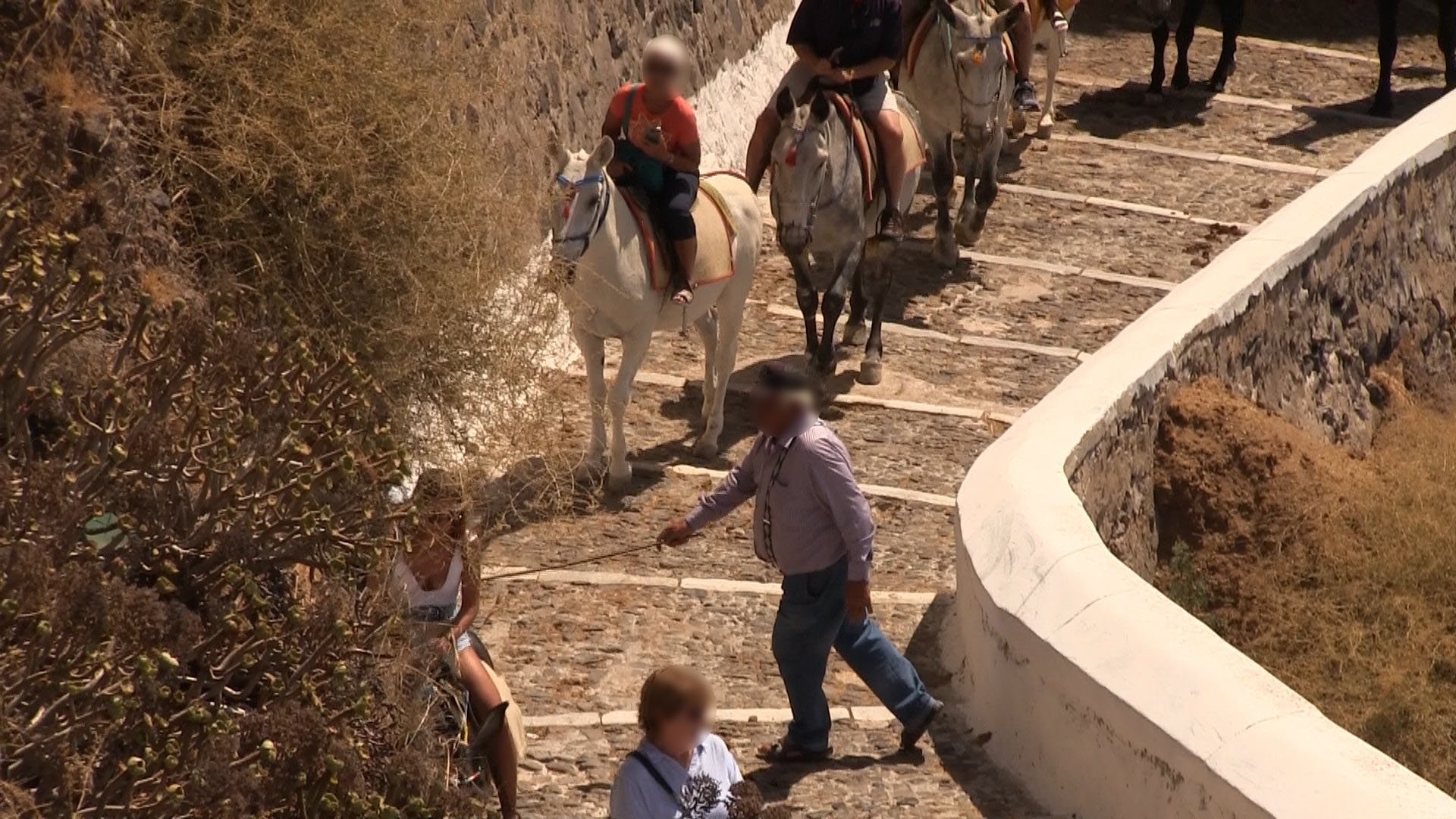
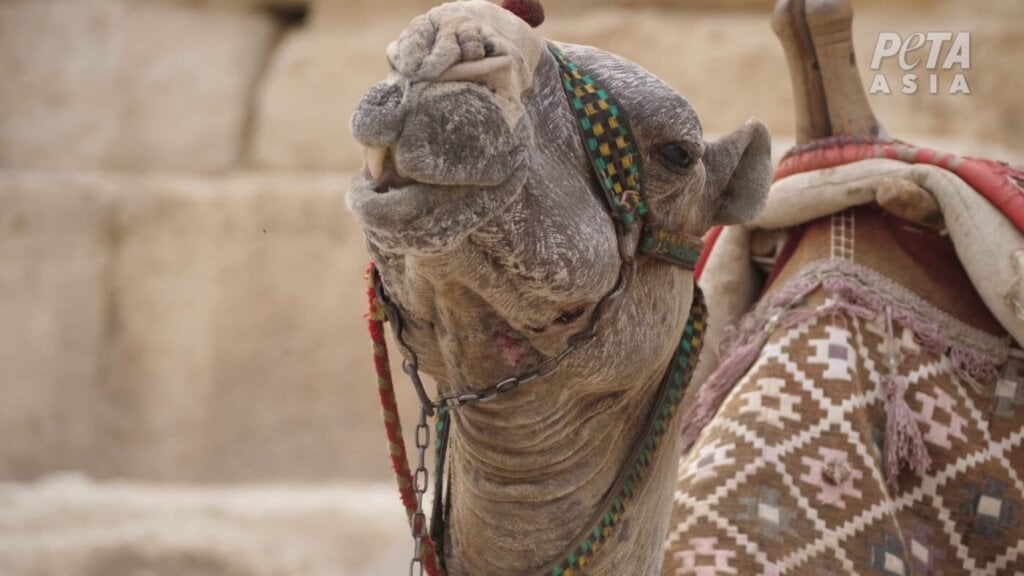
    PETA exposés have found camels and horses used for tourist rides at popular sites in Egypt are being beaten, hit on the testicles and denied rest, while dead animals are dumped like rubbish. Despite their promises, the Egyptian government has done little to stop the abuse of animals at popular tourist sites.

    Camels considered too old, sick, or injured to be useful were often hauled to a slaughterhouse, where their throats were slit while they were still conscious. One camel continued to kick for four agonising minutes after a worker slit the animal’s throat.

    See the Individuals

    Horses are herd animals who can feel stressed if forced to live alone, and they mourn each other’s deaths. Camels greet one another by blowing air on each other’s faces. Both species feel pain, joy, loneliness, and happiness just like humans – they are not tourist photo props or “taxis” and deserve to live free from harm.

    Travel Operators

    Countless travel operators reject camel rides and encourage tourists to enjoy the Great Pyramids’ majesty without supporting cruelty to animals.

    Airbnb joins dozens of businesses that don’t promote or sell animal rides at the pyramids, including Audley Travel, British Airways Holidays, easyJet holidays, G Adventures, Hays Travel, and Scott Dunn.

    What You Can Do

    Tourists who pay to take horse or camel rides keep these cruel operations in business. If you’re planning to visit Egypt, leave animals out of it.

    It has been years since Egypt’s Ministry of Tourism and Antiquities first promised to make changes for the animals suffering at the pyramids, yet horses and camels are still suffering. Please urge Egyptian officials to ban the use of horses and camels to entertain visitors at the pyramids and other tourist sites.

    Help Animals in 2025: Renew Your PETA Membership!

    The post Airbnb Moves Away from Animal Rides at the Great Pyramids appeared first on PETA Australia.

    https://ift.tt/qH5P8VX

    الجمعة، 21 فبراير 2025

    ‘The White Lotus’ Creator Writes to Thai Prime Minister in Behalf of Baby Monkeys

    ‘The White Lotus’ Creator Writes to Thai Prime Minister in Behalf of Baby Monkeys
    ‘The White Lotus’ Creator Writes to Thai Prime Minister in Behalf of Baby Monkeys

    ‘The White Lotus’ Creator Writes to Thai Prime Minister in Behalf of Baby Monkeys

    After Mike White finished filming the third season of his highly anticipated Emmy Award–winning HBO series The White Lotus in Thailand, PETA US sent the auteur undercover footage of baby monkeys chained up at coconut-picking schools in the country. The esteemed creator dropped everything to write to the Thai government. In his letter to Prime Minister Paetongtarn Shinawatra, he urged compassion for the endangered, vulnerable baby monkeys exploited by the Thai coconut industry.

    I have just finished filming season three of ‘The White Lotus’ on Samui. It’s a beautiful place, but I was shocked to learn from my friends at [PETA US] that there and elsewhere in Thailand, monkeys are forced to work for the coconut industry. I urge you to end this exploitation of our fellow primates and ensure that Thailand’s entire coconut industry transitions to humane harvesting methods that don’t rely on forced monkey labour.

    Baby Monkeys Chained and Isolated, Their Spirits Broken, Inside ‘School of Horrors’

    PETA’s brand-new exposé of monkey-training schools takes viewers inside the facilities that force endangered, vulnerable baby pig-tailed macaques to pick coconuts.

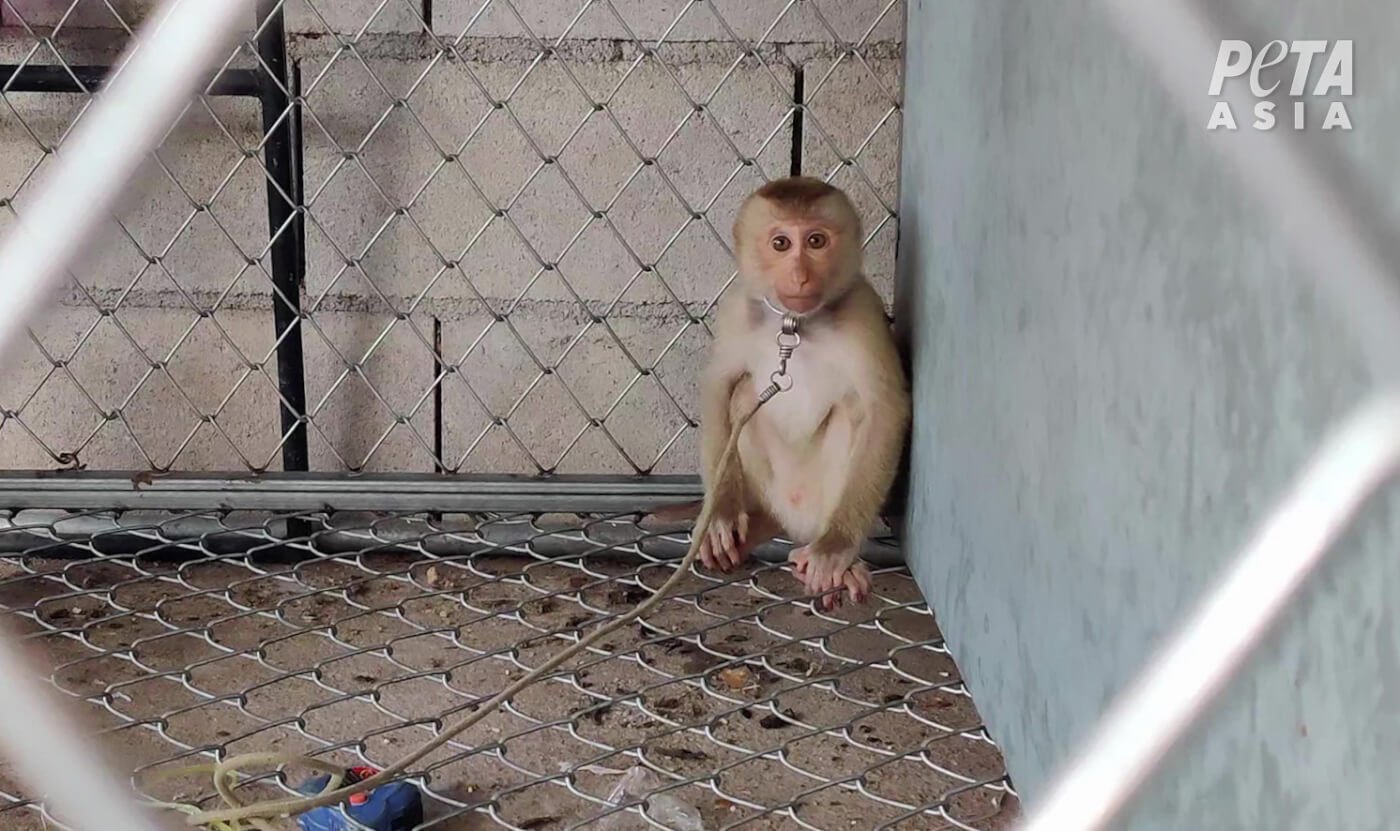
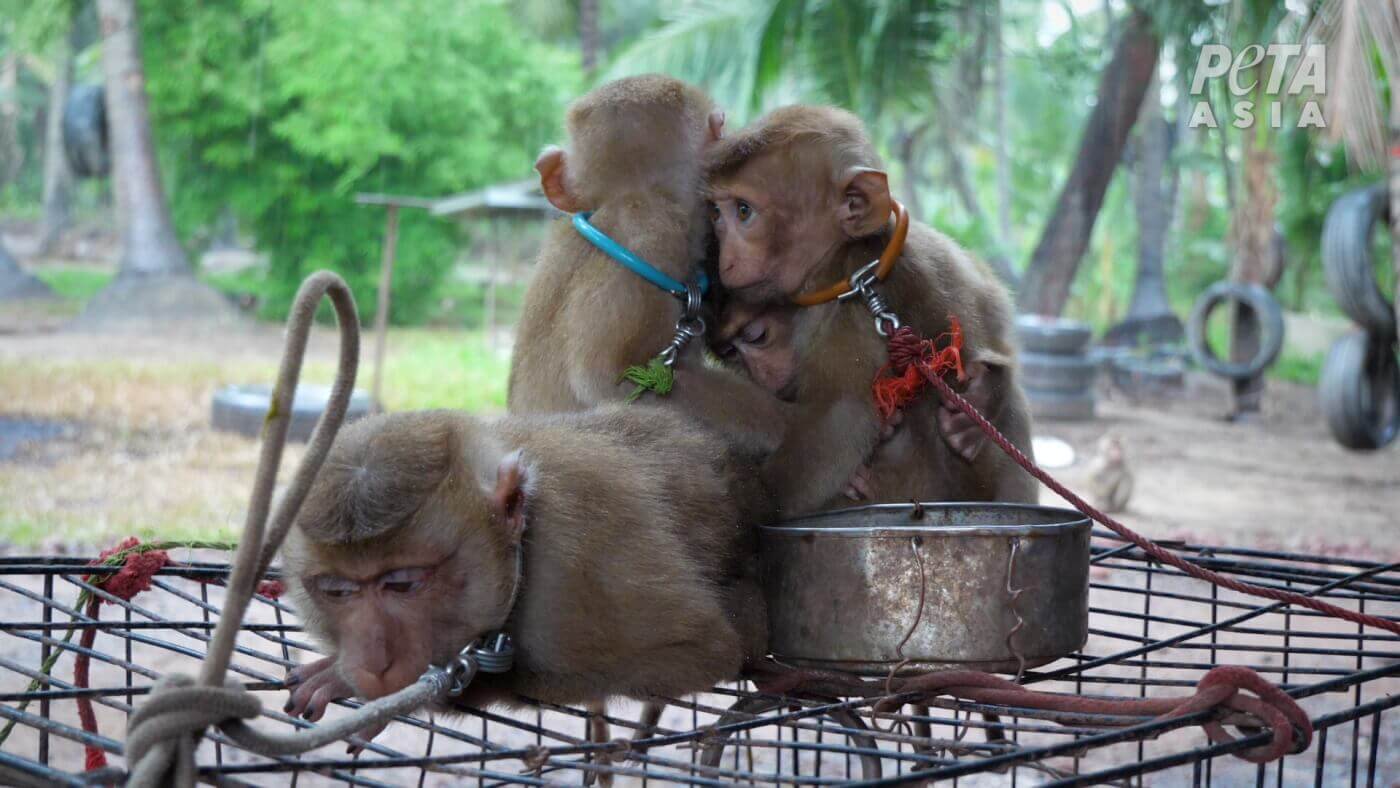
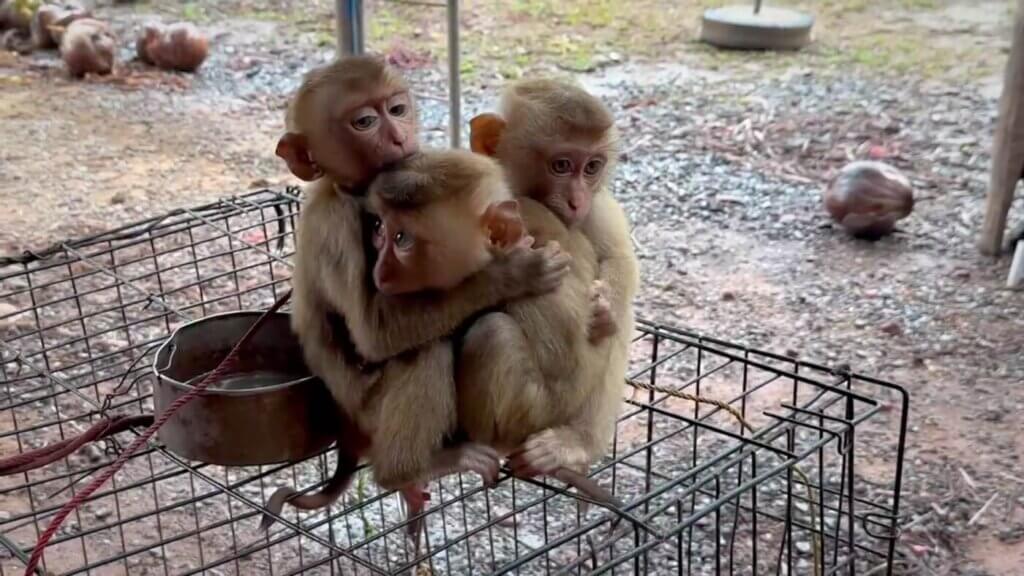
    Investigators witnessed social, sensitive monkeys – who were just months old – all alone and tethered on ropes so short they could barely move. In their natural habitat, pig-tailed macaques often stay with their nurturing mothers for years.

    They live in large, complex social groups in which they forage, sleep, and eat together. At Thailand’s coconut-picking schools, investigators documented baby monkeys desperately clinging to each other for comfort. Monkeys paced neurotically, and some ran frantically while attached to tethers – resulting in them repeatedly choking on their collars and their tiny necks being twisted.

    In his letter to the prime minister, White described what is done in these horrific schools: “Baby monkeys, who have been torn away from their mothers and are deprived of everything that’s natural and important to them, are ‘broken’ and forced to serve as coconut-picking machines for the rest of their lives. Undercover video footage acquired from these ‘schools’ reveals traumatised and terrified infants who have been bred in captivity or abducted from their jungle homes and families.”

    These facilities – which are promoted to tourists on the Thai government’s website – put on deceptive coconut-picking demonstrations for visitors that involve adult monkeys whose spirits have been crushed as a result of abuse.

    Join White in Speaking Out Against Monkey Abuse

    This latest exposé reveals how a lifetime at the end of a chain starts for baby monkeys exploited by the Thai coconut industry. You can take action for these endangered, vulnerable animals by urging the Thai government to shut down coconut-picking schools and ban monkey labour today:

    The post ‘The White Lotus’ Creator Writes to Thai Prime Minister in Behalf of Baby Monkeys appeared first on PETA Australia.

    https://ift.tt/gTiGPnO

    الثلاثاء، 11 فبراير 2025

    PETA Sends Environment Minister a “Dead Koala” Lunchbox

    PETA Sends Environment Minister a “Dead Koala” Lunchbox

    PETA Sends Environment Minister a “Dead Koala” Lunchbox
    PETA Sends Environment Minister a “Dead Koala” Lunchbox

    PETA Sends Environment Minister a “Dead Koala” Lunchbox

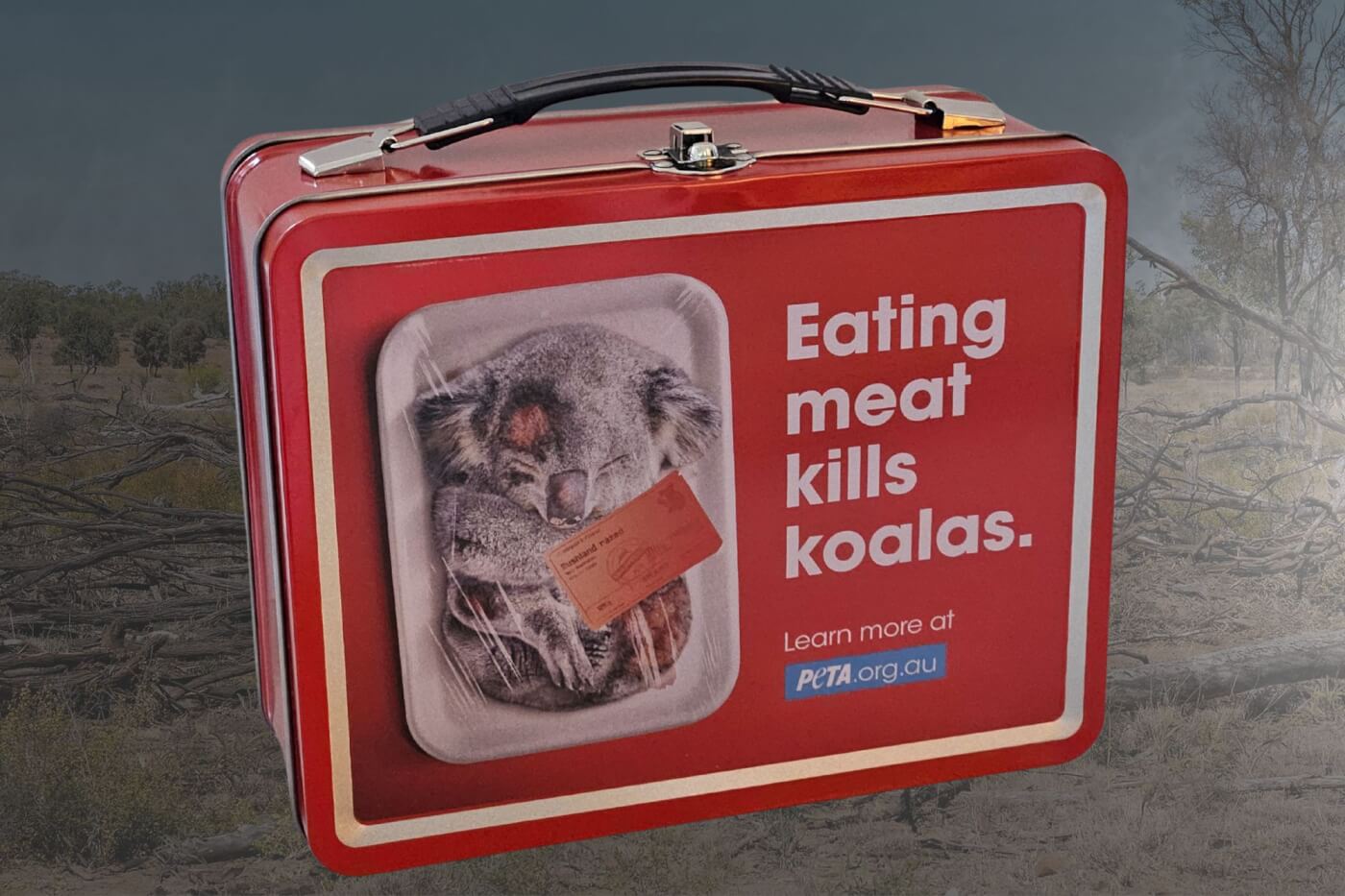
    PETA has sent a gift to the Environment Minister to remind her who else, aside from gentle, clever cows, is at “steak” when beef is on the menu— Australia’s endangered koalas.

    A damning new report has revealed that, in 2024, the Albanese government approved the destruction of over 3000 hectares of koala habitat despite the native marsupial being declared endangered in 2022. While railway expansion and mining contribute to land loss, the Australian Conservation Federation’s Environment Wrapped 2024 notes, “Our big backyard is still being bulldozed, mainly for the expansion of pasture for beef production.”

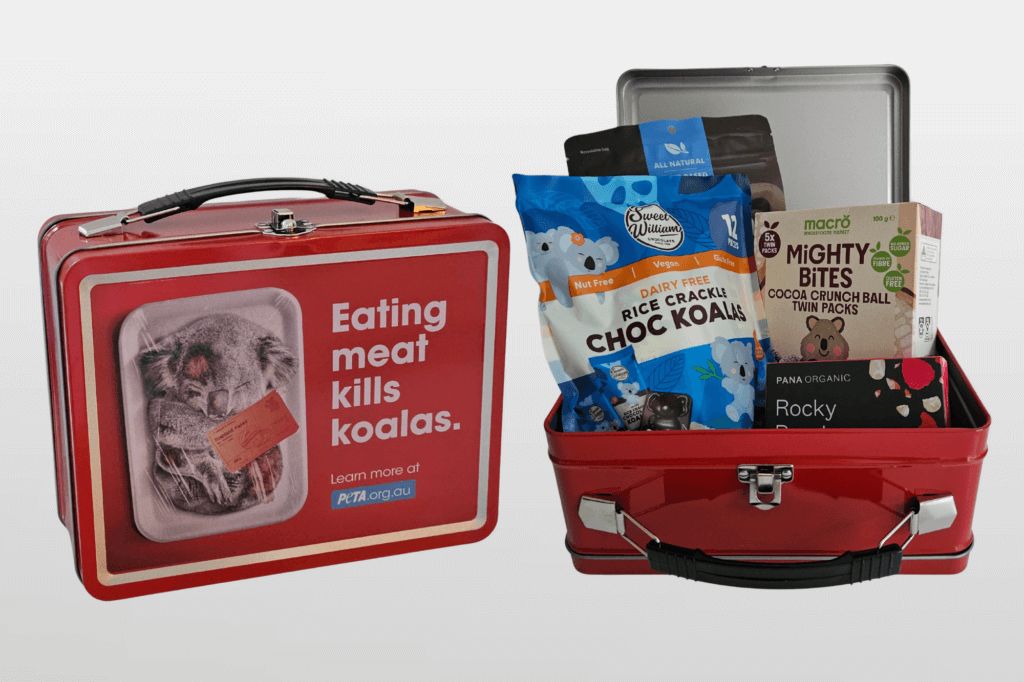
    We sent Minister for Environment and Water Tanya Plibersek a metal lunchbox featuring an image of a burnt and bloodied koala wrapped in plastic on a meat tray to remind her that her decision to eat meat is mind-boggling. We also filled the lunchbox with delicious Australian vegan snacks to showcase what animal-free options are available.


    This isn’t the first time Australia’s appetite for flesh has been linked to land clearing. A 2021 World Wildlife Fund report named Australia a deforestation hotspot, blaming 75% of deforestation in Eastern Australia on the creation of pastureland for cattle and sheep.

    Australia’s 28 million cows raised for beef also consume as many as 112 litres of water daily. Imagine if the koalas that the Minister cuddles for promo shoots knew that she consumes the flesh of cows fattened up on pasture grown where their homes used to be!

    Aside from being incredibly cruel to the animals raised on filthy factory farms and slaughtered at just a fraction of their natural lives, we’ve long known meat is environmentally destructive. We hope the Minister will carry the lunchbox as a reminder that, when it comes to meat, koalas also die when you buy.

    Help Animals in 2025: Renew Your PETA Membership!

    The post PETA Sends Environment Minister a “Dead Koala” Lunchbox appeared first on PETA Australia.

    https://ift.tt/bKxOFej

    Featured

    [Featured][recentbylabel]

    Featured

    [Featured][recentbylabel]
    Notification
    This is just an example, you can fill it later with your own note.
    Done